|
||||||||||||||||
Catherine II:
Empress of Russia (1762-96) |
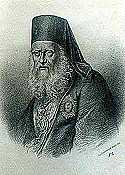
On the eve of the Greek Revolution, Russian involvement in Greeks affairs became an object of exploitation for both Greeks and Russians. Some Greek intellectuals and clergymen sought Russian involvement believing that some 'inspired' people could contribute to the moral and political reform of Greek society, following the example of Catherine the Great. With this in mind, Moscow seemed an appropriate choice to lead the Orthodox world. Eugenios Voulgaris was the principal advocate of this theory. After his unsuccessful attempts to introduce the Enlightenment to the 'Athoniada Sxoli' and 'Megali tou Genous Sxoli', he took shelter in Catherine's court. Ever after he stayed in touch with Russian politics, arousing, however, some suspisions about his motives. Regardless of this he was faithful to his principles and education, and also to some of the ideas of the Enlightenment. He expressed his political views by translating in to Greek the Proposals (Nakaz) of Catherine. It was a text that recognized the rights of subjects but gave excessive privileges to the monarch. What Voulgaris was in fact expressing was his belief in a political reform that would came from and strengthened the upper ranks of society.
|
|
||||||||||||||
Nakaz: Catherine's proposal to the representatives who would draft Russia's legislative code. |
||||||||||||||||
|
||||||||||||||||
Athanasios Psalidas: his work
Kalokinimata(1795) passed judgement on Voulgaris's
Logiki. |
Russian victories over the Tucks fed Greek aspirations for freedom. Voulgaris views on freedom were mainly based on his belief that Russia should expand its dominion to the Orthodox populations in south-eastern Europe and on the revival of the Graeco-Russian model of Byzantium. The unsuccessful revolt in 1770 and the Russian abandonment, made Voulgaris launch a plea both to Catherine and to other Christian forces. He asked for help without disregarding the Russians. His defense of Russian politics and the inheritance of anti-revolutionary beliefs made Voulgaris a target of bitter criticism from his former students, who now become supporters of more revolutionary solutions. |
|||||||||||||||