|
|||||||||||
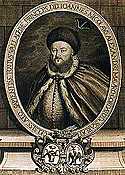
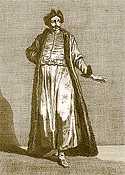
After the Fall of Constantinople, the Byzantine aristocracy gradually diminished since many aristocrats either fled to the West or were actually killed on the night of the Fall. A new class, however, was formed and established itself using its scientific knowledge and economic power. The new aristocracy gathered around the Patriarchate and the Phanari. The Phanariotes were mostly Greeks, Rumanians, Albanians and Italians: all were influenced by Greece. Their political and social role in Greek affairs and the Ottoman administration goes back to the mid-17th century; and, specifically, to the year that Panagiotis Nikousios from Trapezounta, a multilingual scholar who had studied in Padua, was the dragoman of the Porte. Henceforth, educated multilingual Orthodox Phanariotes became dragomans of the fleet
and, from the beginning of the 18th century, of Wallachia and Moldavia. |
|
||||||||||
Nikolaos Maurokordatos became the first sovereign of Wallachia in 1709 and Moldavia in 1710. Initially the Phanariotes were embraced by the sovereigns as they were considered bearers of Greek civilization who could inhibit the Church's Slavic influence. The Phanariotes believed in the Enlightenment and produced remarkable educational and legislative works. But their administration soon caused unpleasant feelings among the Rumanians as their friends and relatives were appointed to state offices; sensing, however, that their positions were in jeopardy, they demanded economic gains. |
|||||||||||
|
|
||||||||||
The Phanariotes occupied significant positions in the state administration and the Church; their experience as sovereigns solidified their belief of being the world's chosen ones. Phanariote families (Maurokordatoi, Ipsilantides, Palaiologoi, Kantakouzinoi and Komninoi) were proud of their Byzantine origins and considered themselves the Roman nation's leaders; this title was misleading as they were not descendants of the Byzantine emperor. Their political vision was to revive the Byzantine Empire, which helps to explain why the emperors' enthronement followed the ritual of the Byzantine emperors. Such an attitude was not in direct opposition to the Ottoman Empire but added to the gradual corruption of the Ottoman state and its replacement by a new Byzantine Empire operating according to the Christian-Greek tradition.
|
|
||||||||||