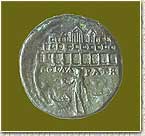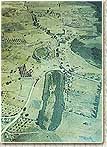
Augustus' decision to initially found Nicopolis and afterwards to refound Patrae by transferring to these two cities part of the population of Acarnania, Aetolia, and Achaea was due to the fact that the first two regions particularly had sustained severe damage from the Roman civil wars. After the battle of Actium and his victory over the forces of Antony, Augustus took certain measures intended to economically strengthen war-stricken Hellenic regions.
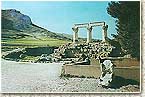
But there was another important colony besides Nicopolis and Patrae, and this was Corinth. Its foundation, begun in Julius Caesar's day, was completed in the reign of Augustus. Corinth developed rapidly, by virtue of its geographical situation, and became powerful enough to function as a seat of government and become the first and largest city in the province of Achaea. It was the centre of trade between Italy and Hellas, serving Augustus' purpose, so it would seem, of leaving control of trade to Corinth and Patrae. As to trade along the northerly shores, this centred on Nicopolis which used its own two ports and that of Anactorium. It should be stressed, lastly, that until these cities were founded and developed, trade in Achaea was controlled by Sparta and Argos. |