|
|
|
 |
|
Although Constantine acceded to the throne in 306, Byzantine history begins in 324 when he managed to become sole emperor of the vast Empire.
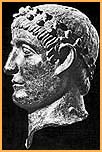 Both
his decision to move the capital from West to East and his domestic
policy put their stamp on this era. Both
his decision to move the capital from West to East and his domestic
policy put their stamp on this era.
When Constantine became sole emperor, he decided to move the capital from
Rome to Constantinople, the old Megara colony called Byzantis or Byzantium. The
transfer of a state that had been Roman in its administration, language and legal system to a new
location under the cultural influence of Hellenism and oriental peoples,
determined the substantial changes that were to follow. Constantine's contribution to the
administrative reorganization of the state and his religious policy are
important historical factors as they set the foundations for the future
development of Byzantium. The elimination of many of his political adversaries (including members of his own family) in 326 is notable yet difficult to trace precisely due to lack of sufficient
historical sources.
Constantine did not make any efforts to expand the Empire's boundaries. He simply ensured these were held firm by posting his sons at frontier points. He successfully dealt with the attacks of barbarian tribes on the Rhine and the Danube; he even managed to make a peace treaty with the Goths,
whereby they were expected to protect the Danube border in return for food and
money. In the East, Constantine's religious policy provoked the
Persians, who responded by persecuting all their Christian subjects.
|
|
|




