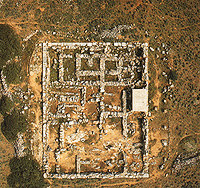
 There are two types of rectangular burial buildings.
The first type includes long, narrow parallel chambers such as those at
Palaikastro, Archanes and Platanos. The second type consists of square or rectangular
chambers. The tombs of this type are best represented by the tombs at Mochlos.
No roofs have been preserved; they are usually restored as flat roofs.
These two variations often occur in the same cemetery and are presumably contemporary.
One of the most impressive examples of this burial building type is the one of
Chrysolakkos at Mallia which dates to the Middle Minoan I period (2000-1900 BC). There are two types of rectangular burial buildings.
The first type includes long, narrow parallel chambers such as those at
Palaikastro, Archanes and Platanos. The second type consists of square or rectangular
chambers. The tombs of this type are best represented by the tombs at Mochlos.
No roofs have been preserved; they are usually restored as flat roofs.
These two variations often occur in the same cemetery and are presumably contemporary.
One of the most impressive examples of this burial building type is the one of
Chrysolakkos at Mallia which dates to the Middle Minoan I period (2000-1900 BC). |